
John Paul II Catholic School
Building a Place to Call Home
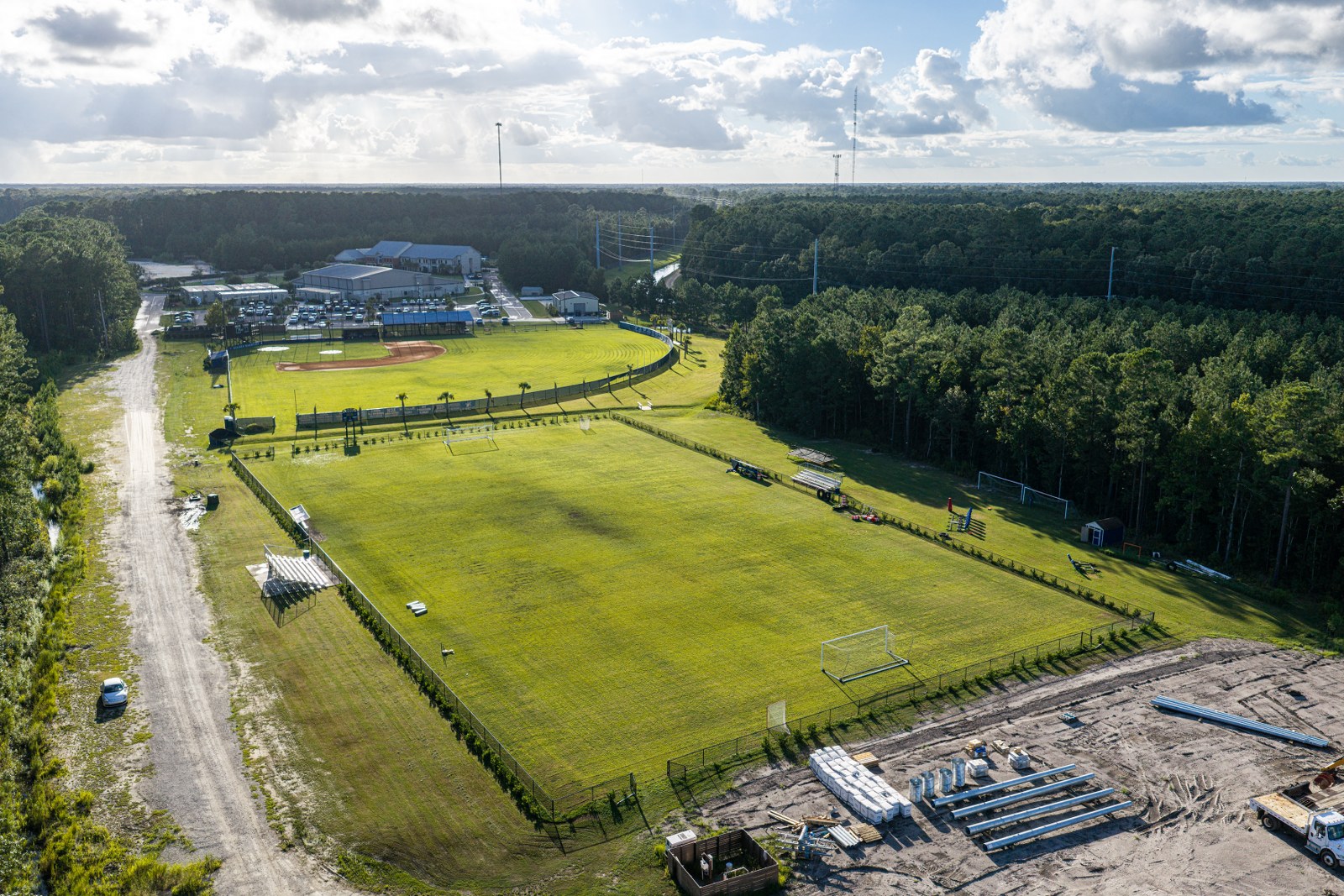
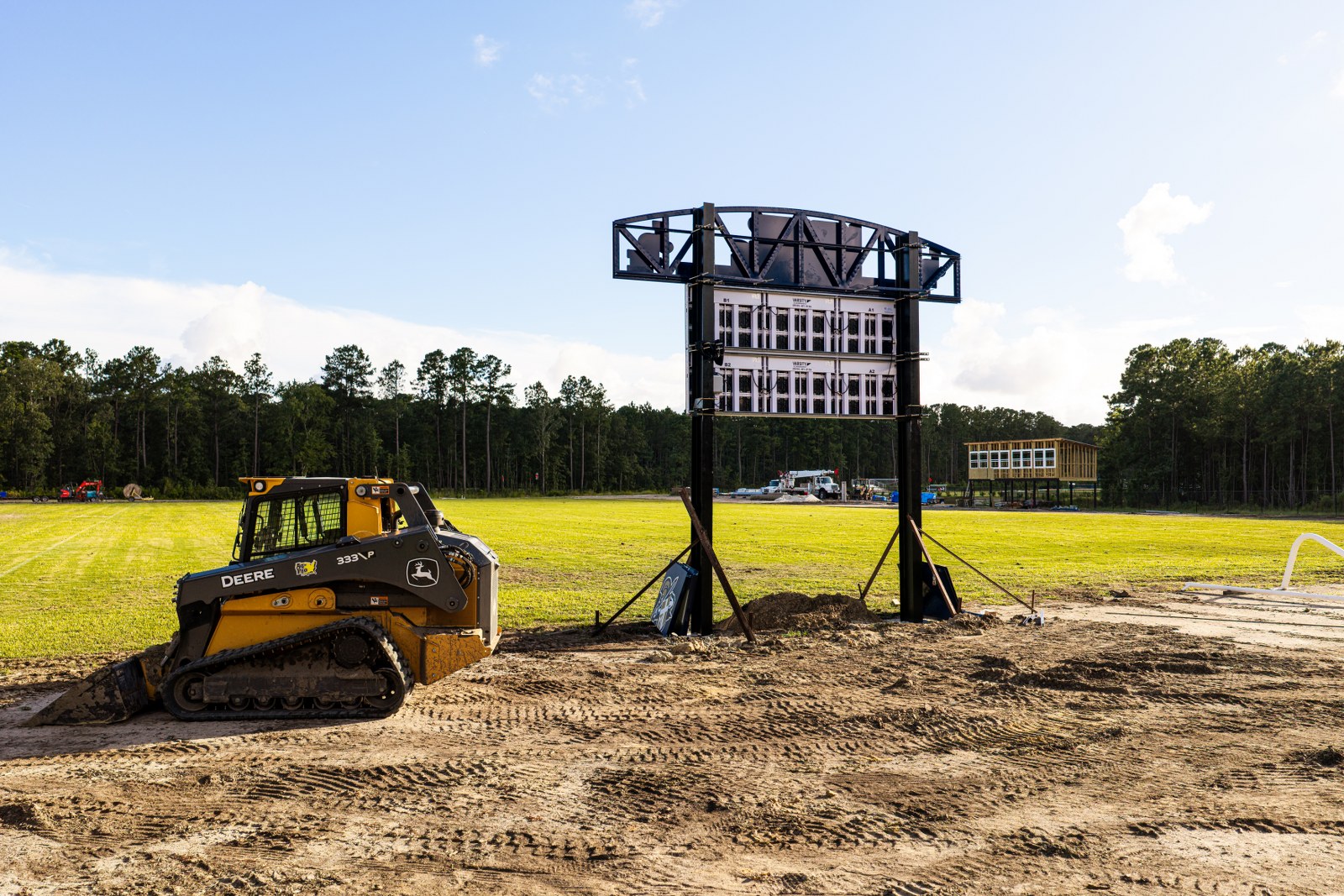
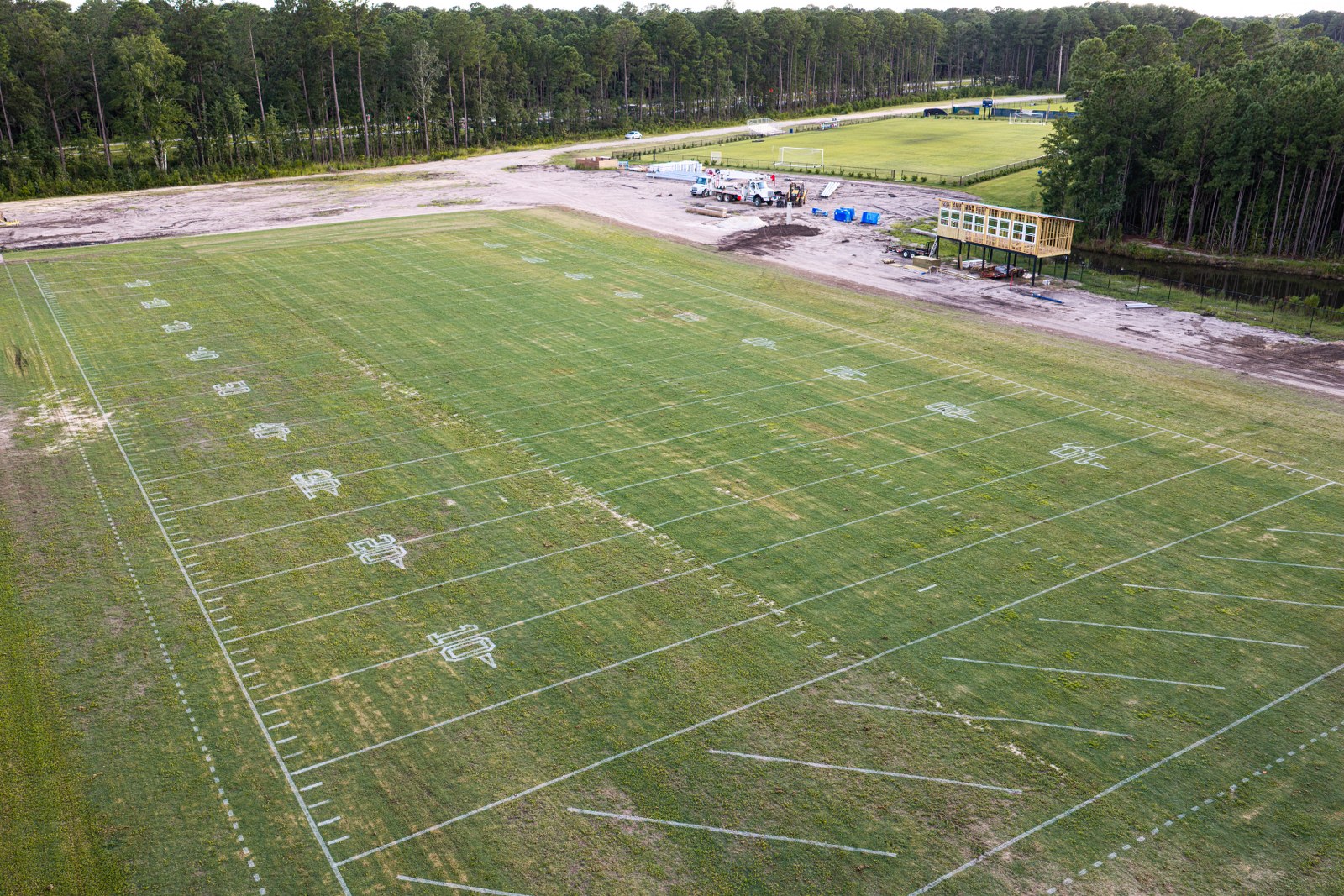
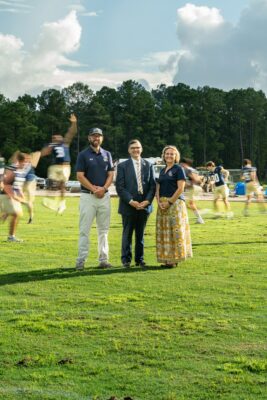 There is a lot happening on the campus of John Paul II Catholic School these days. Drive onto the Okatie campus, and you will see a football field coming together and construction underway on the first phase of the school’s new Innovation Center. After years of planning for the school’s future, some of those plans are finally becoming something students and families can see.
President David Lima has now been at JPII for just over a year, and while he is excited about the changes happening around campus, he hopes new buildings and athletic fields are not the first things families notice. “I want a prospective family to drive onto our campus and immediately think, ‘Wow, this is a school that truly cares about my child,’” Lima says. “I want them to see that we are committed to educating the whole person — not just academically, but spiritually, physically, and socially. More than anything, I want them to leave JPII believing, ‘My child will be known here. My child will be heard here. My child will be seen here.’ That is incredibly important to me. Every student who walks through our doors has unique gifts, challenges, dreams, and a God-given purpose, and it is our responsibility to help them discover and develop those gifts.”
That has been at the center of much of what Lima has focused on since coming to JPII. Yes, the campus needs to grow. The area around it is growing, too, and more families are looking at the school. But Lima does not want a bigger JPII to lose what families already love about it. “I want parents to know that everything we do, from our classrooms and faith formation to our athletics, House System, and facilities, is designed to help their child grow and succeed,” he says.
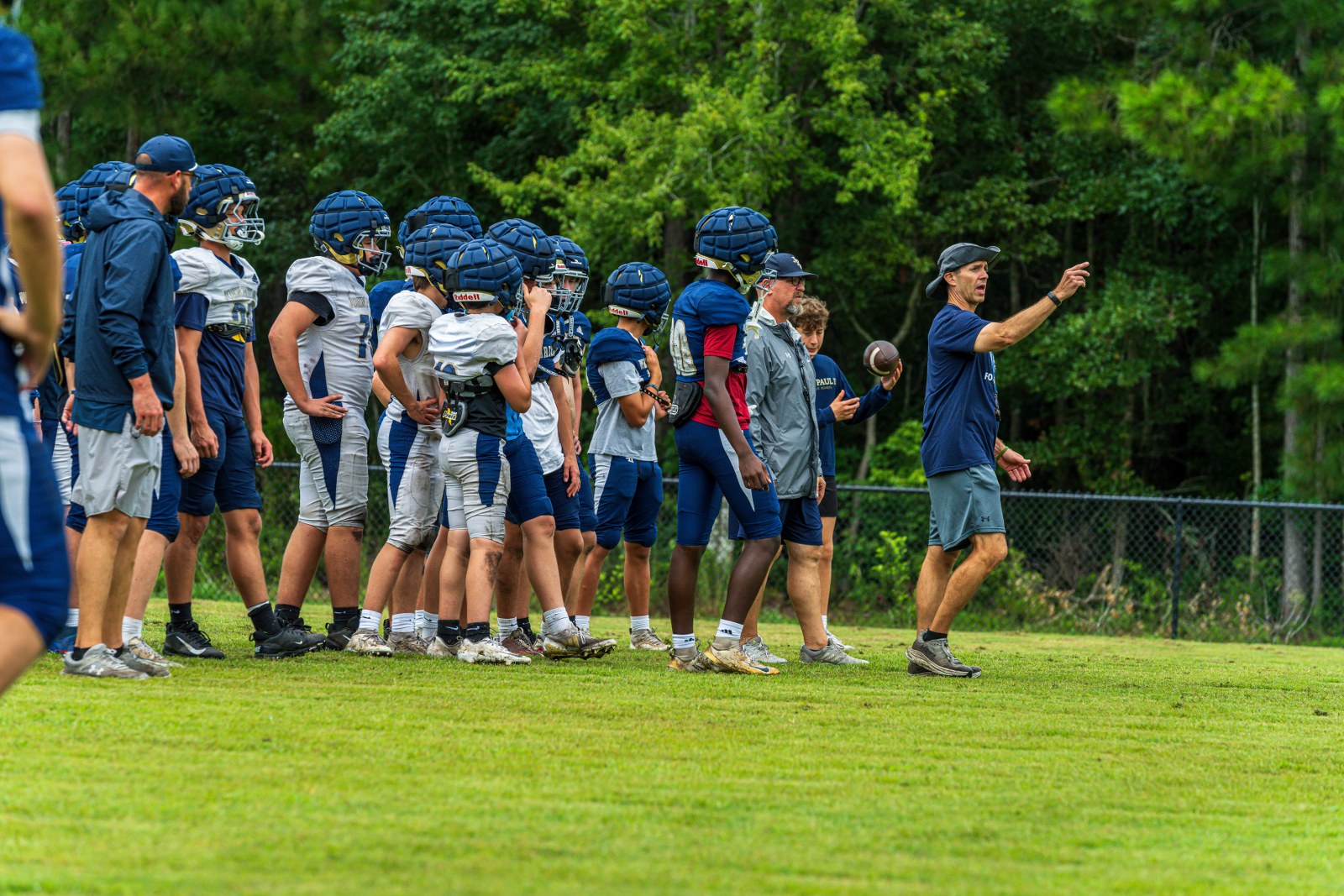
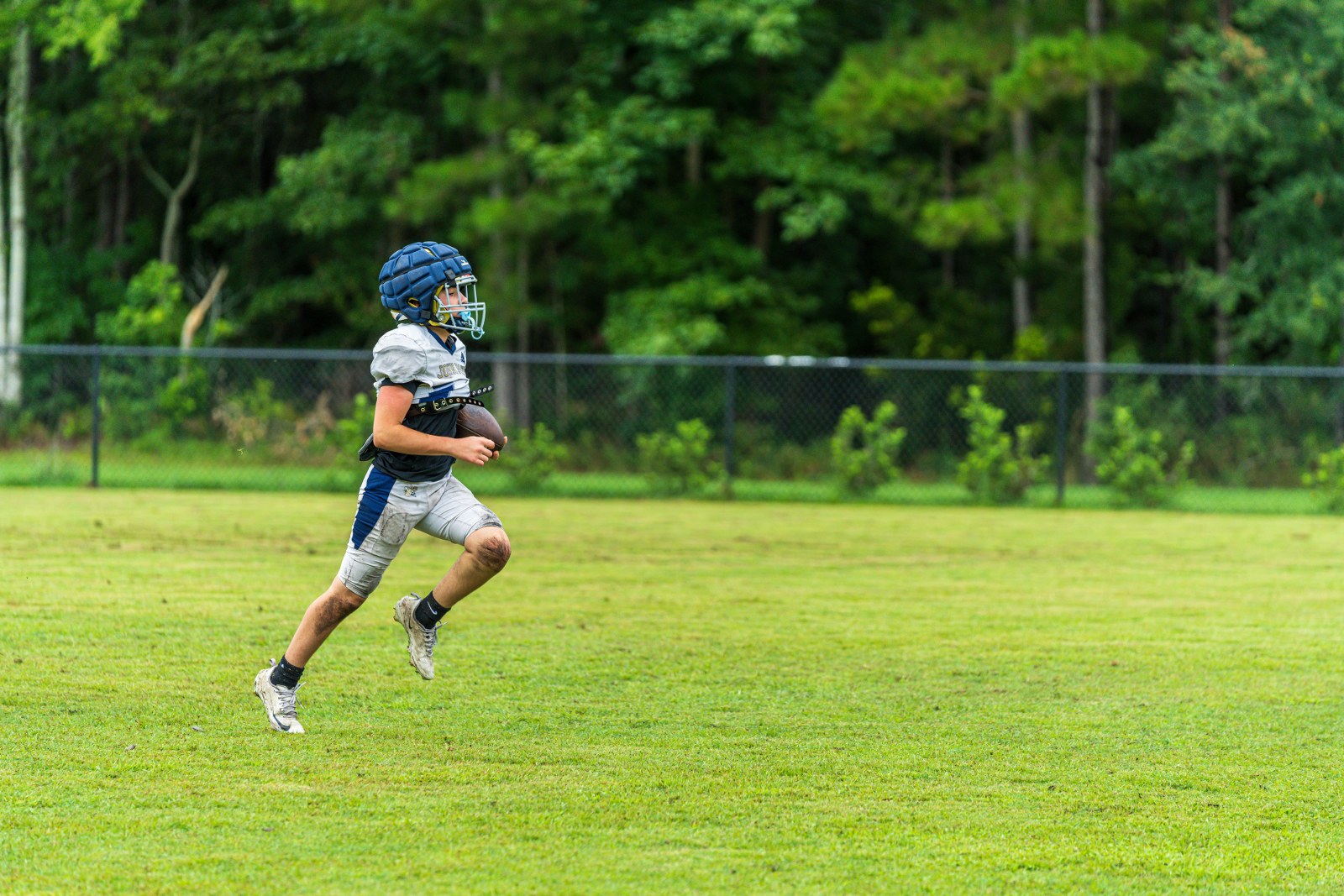
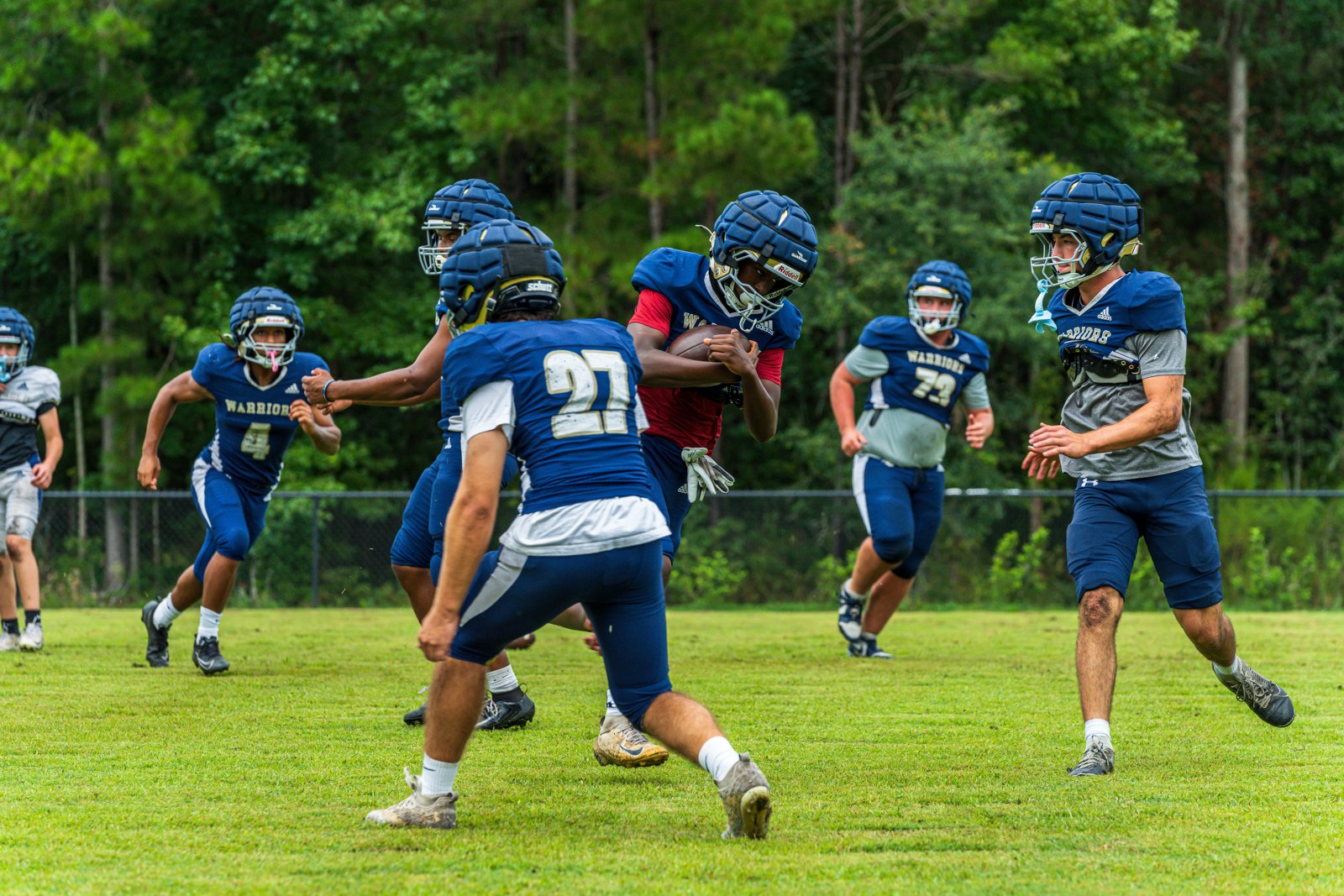
One of the biggest examples can be found just outside the school. Warrior Field has been a long time coming. JPII has continued to grow its athletic programs over the years, but not all of its teams have been able to compete on campus. Lima has been vocal about wanting to change that. “Having a true home field means so much more to JPII than simply having a place to play football. This will be a place where we can gather together as One JPII. We will be able to celebrate Mass, hold graduation, host House events and school celebrations, and, of course, cheer on our student-athletes. For the first time, our students and families will have a place on our own campus that truly feels like home. There is something special about putting on a JPII uniform and competing on your own field, surrounded by your classmates, teachers, parents, alumni, and community. I believe that experience will have a tremendous impact on school spirit, pride, and the traditions we are continuing to build. This has been a long time in the making, and I know our alumni are especially excited to see it become a reality. Many of them competed for JPII without ever having the opportunity to play on a true home field. This field belongs to them, too. They helped build the traditions and school spirit that brought us to this moment.” Having a home field changes things for the athletes, of course, but it also changes things for everyone else. Students can leave class on a Friday and come back that night for a football game. Parents can fill the stands. Younger students can watch the older Warriors compete. There is finally a place on campus for some of those traditions to happen.
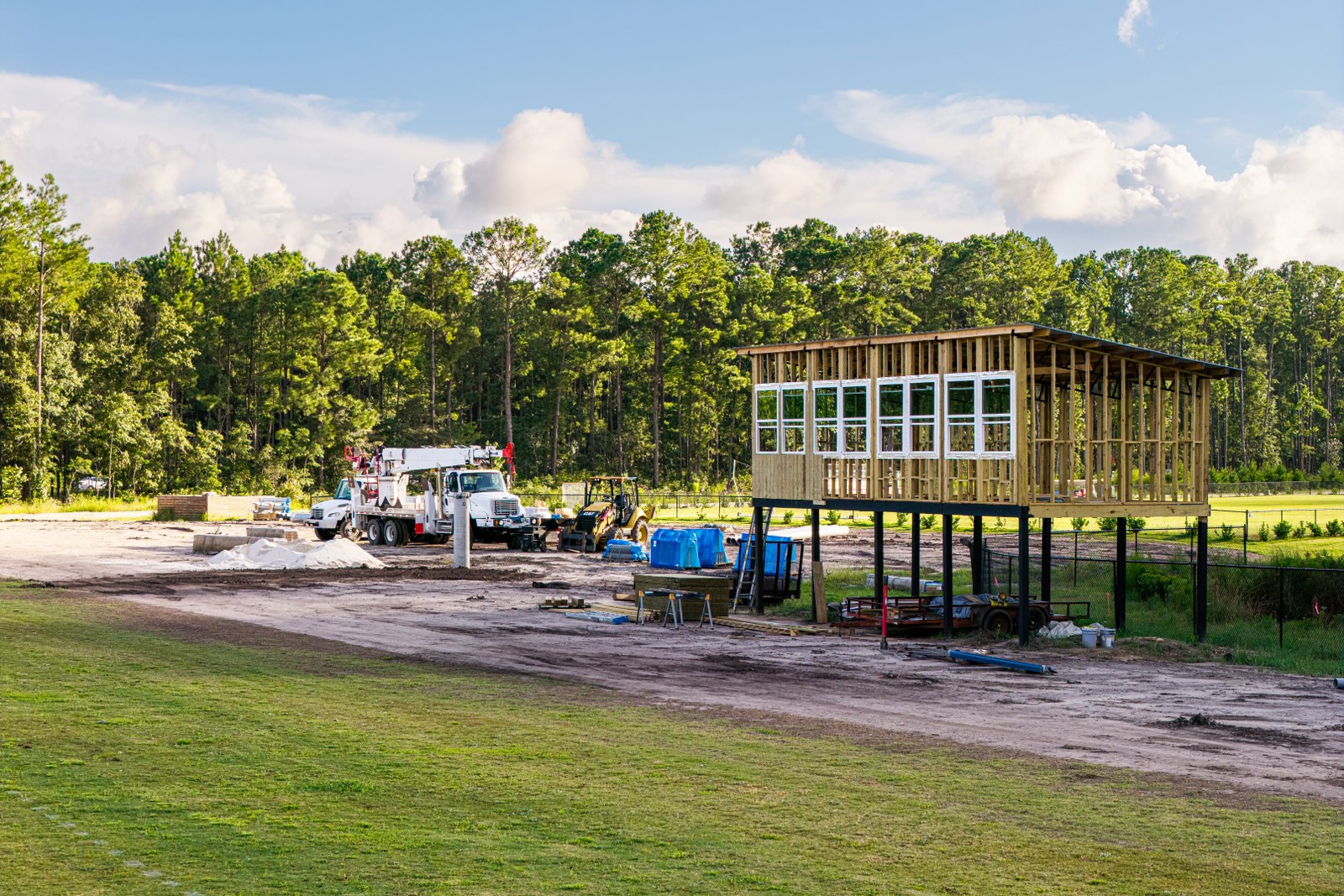
While Warrior Field may be the easiest change to spot from outside, an even larger project is now underway. Construction has begun on the first phase of the Innovation Center, a project that has been talked about and planned for years. The new building will give JPII much-needed room as enrollment grows, but it will also give students access to learning spaces the school simply has not had before. Lima explains, “Right now, we are working very closely with the Diocese of Charleston to move into Phase 2, which is when construction will begin to go vertical. Our hope is that this next phase will begin in late 2026 or early 2027. That will be an exciting moment because the vision that our community has talked about for so many years will begin to take physical shape. Students and families will start seeing foundations, walls, and eventually classrooms and learning spaces emerge from the ground. There is still work to be done to get us to that point, but we are making progress. The Innovation Center represents a major investment in the future of JPII and, most importantly, in the generations of students who will walk through its doors. I look forward to the day when our students can watch that building rise and know that they are witnessing the next chapter in the history of John Paul II Catholic School.”
The building itself has also been designed with the future in mind. Geothermal wells and other energy-efficient features are included in the project, something that fits naturally with what the Innovation Center is supposed to represent. For students, though, it may be the opportunities inside the building that matter most. “The building will provide a large gathering space where students can eat, study, collaborate, and simply spend time together. That community component is incredibly important. A school is about more than classrooms — it is about relationships, belonging, and creating spaces where students want to be.”
With that growth comes a challenge Lima is very aware of. JPII has built its reputation around relationships and a close school community. More students and more buildings are exciting, but Lima wants to make sure the school never becomes so big that students begin to feel like numbers. That is part of the thinking behind “One JPII,” a phrase that has become familiar around campus. For Lima, it means exactly what it sounds like. Middle school and high school students, teachers, coaches, administrators, and families are all part of the same school community. “We truly are ‘One JPII’, and as we grow, protecting that sense of family will always be one of our highest priorities. Buildings do not create culture — people do. Our greatest asset will always be our students, faculty, staff, and families who make this community what it is. But at the heart of everything is our Catholic identity. Christ is what brings us together. We pray for one another. We celebrate each other’s successes. We support one another through difficult moments, and when someone in our school family is hurting, we hurt with them. That is what family does. I do not believe getting bigger means we have to lose what makes JPII special. Size does not determine whether a school is a community — culture does. As long as we remain rooted in our Catholic faith, committed to our mission, and intentional about caring for one another, we can grow without losing our identity.”
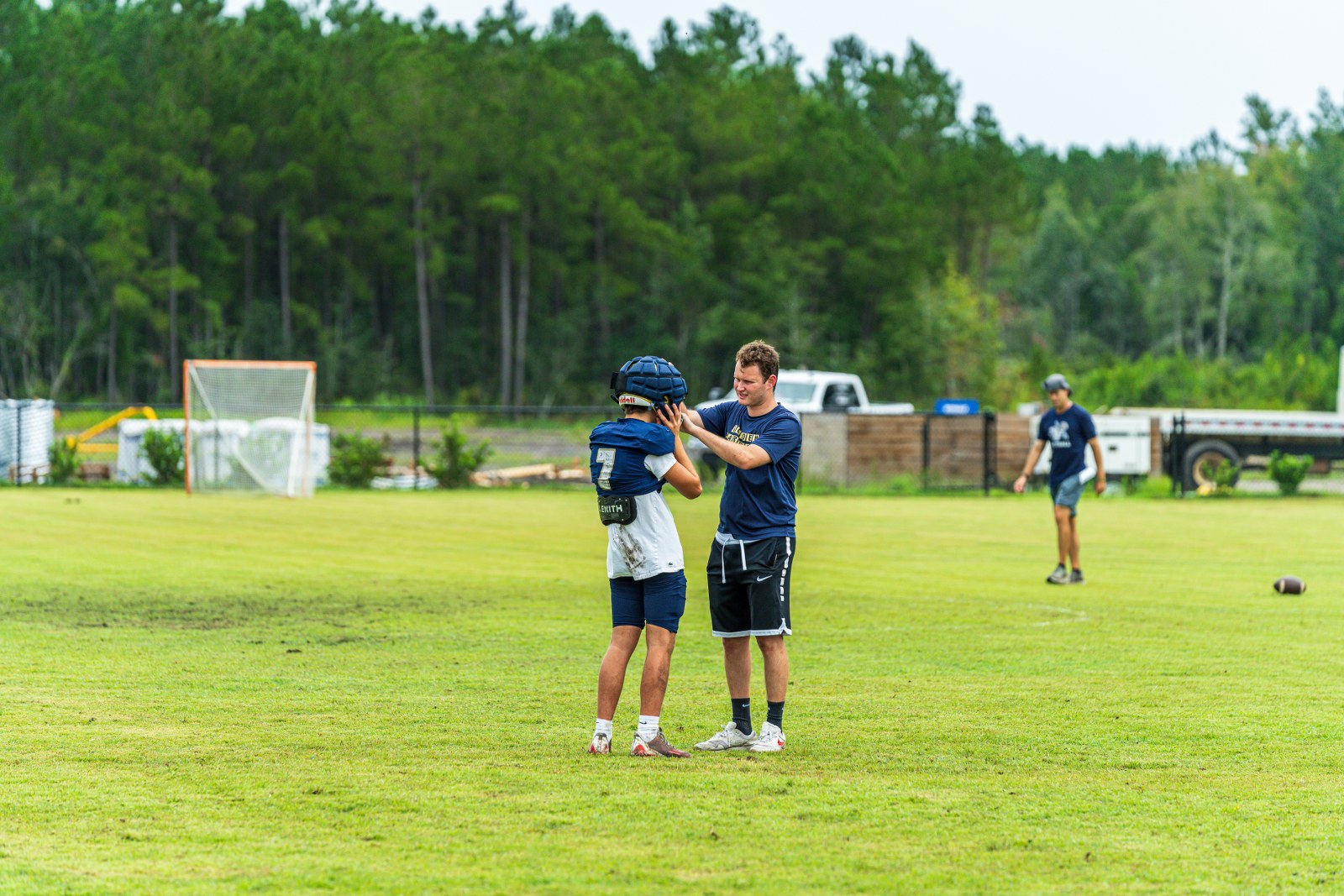
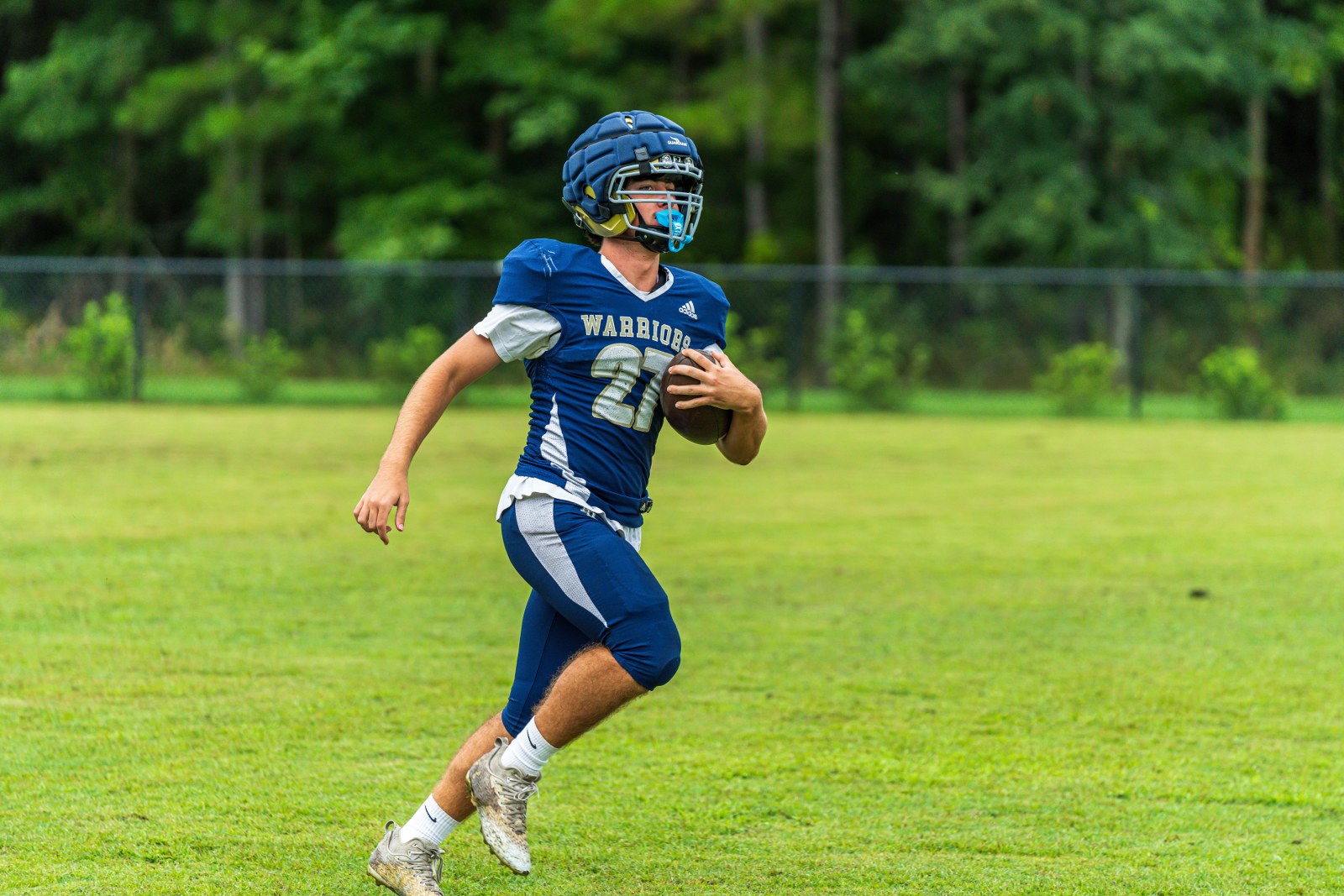
JPII’s House System is one way the school is working to maintain those connections as it grows. Students from different grade levels are grouped together, giving them a chance to build relationships with people outside their normal classes and friend groups. Older students have opportunities to lead, while younger students have older classmates looking out for them. It helps make a growing school feel a little smaller. “Our House System plays an important role in protecting that culture. It intentionally connects students across grades 6–12, giving younger students people to look up to and giving our older students opportunities to lead, mentor, and serve. Even as enrollment grows, those relationships help make a larger school feel personal and connected,” Lima says.
Building relationships is one of the reasons he makes a point to be around students as much as possible. He does not want his job as president to keep him behind an office door. He wants to be at games and school events. He wants to walk the hallways. More than anything, he wants students to know who he is — and to know that he knows who they are. “Down the road, they might not remember a math equation,” he says, “but they will remember how you made them feel.”
It is probably safe to say students will remember some of what is happening on campus right now, too. There will be a group of students who can say they were there for the first games on Warrior Field. Others will be among the first to walk into the Innovation Center or take a science class there. What is a construction site today will eventually just be part of going to school at JPII.
Getting to that point has taken time. Projects of this size do not happen quickly, and Lima is quick to acknowledge the donors, families, and community members who have continued to support the school through the process. But when Lima talks about where JPII is headed, the conversation almost always comes back to the students rather than the construction. “We want to be known for academic excellence, outstanding programs and facilities, competitive athletics, and, above all, an unapologetically strong Catholic identity. Five years from now, I hope you would walk onto this campus and immediately feel the pride our students have in their school. I hope you would see a thriving community where students are learning, competing, praying, serving, and growing together.”
The campus will continue to change. The Innovation Center will open, Warrior Field will become part of everyday life at JPII, and more students will come through the doors. There will almost certainly be another project after these are finished. Schools grow, needs change, and new ideas take shape. For Lima, though, the reason behind all of it is pretty straightforward.
JPII needs room for students to learn. It needs places for them to compete. It needs opportunities for them to figure out what they are good at, and people willing to help them along the way. And it needs to feel like home.
That word seems to come up often when talking about what is happening at JPII right now. Bringing athletics “home” has been one of Lima’s goals from the beginning. The Innovation Center will give growing programs a permanent place of their own. The House System is designed to make sure students have a place where they belong even as enrollment increases.
But a school does not feel like home because of its buildings. It comes from the people inside them. That is ultimately what Lima hopes families see when they pull onto campus, whether they are visiting JPII for the first time this year or returning several years from now when the construction equipment is gone. The campus may look very different by then. Lima hopes the way students feel when they walk onto it does not. “I want them to drive away thinking, ‘This is where I want my child to grow up. This is where I want my child to call home,’” says Lima.