
Boys & Girls Clubs of the Lowcountry
Building Brighter Futures
story by NAKEISHA DAWSON THOMPSON photos by CHARLOTTE BERKELEY
 The Boys & Girls Clubs of the Lowcountry are growing—and so is their impact on children, families, and communities across the region. With a mission centered on academic success, healthy lifestyles, character development, and workforce readiness, the organization is providing far more than after-school care. It is creating safe, structured environments where young people can build confidence, strengthen academic skills, and explore who they want to become.
Across Beaufort, Jasper, Colleton, and Hampton counties, demand for affordable, high-quality youth programming continues to rise. Families need reliable care during out-of-school hours, and communities are increasingly recognizing the role youth organizations play in academic achievement, crime prevention, and long-term workforce development. The Boys & Girls Clubs of the Lowcountry has positioned itself at the center of that work.
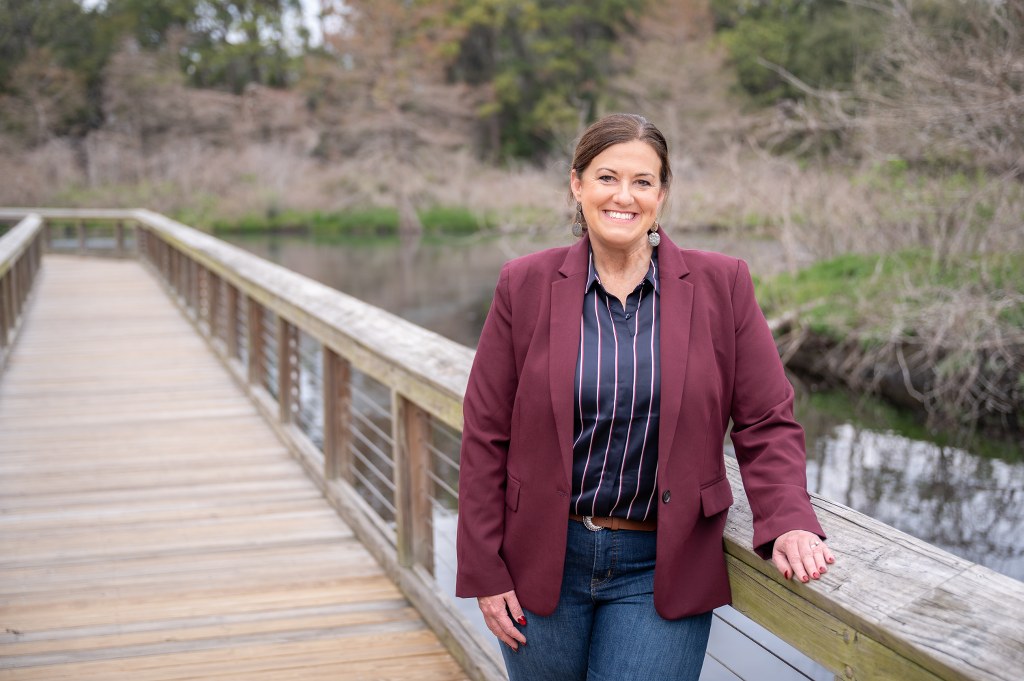
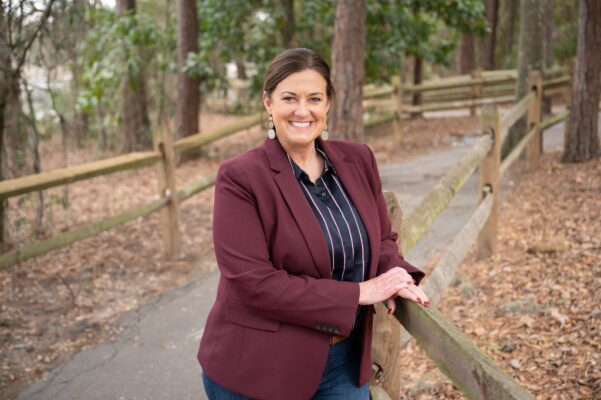
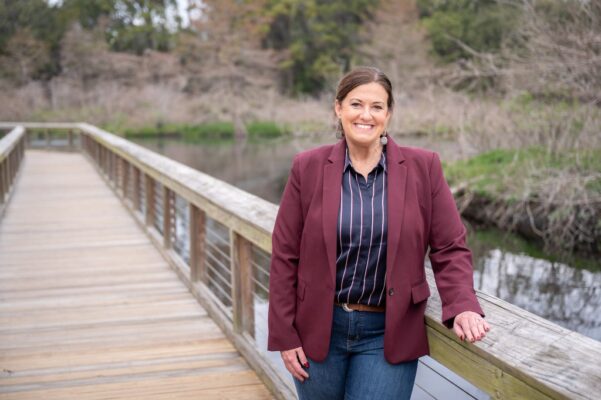
Under the leadership of President and CEO Mandy Parsons, the organization has entered a period of rapid growth. Since Parsons stepped into her role in August 2024, the number of club sites has increased from nine to 13. Several additional locations are already in development, and within the next year, the organization anticipates operating more than 20 sites across the four-county region.
“We focus on out-of-school time,” Parsons explained. “We serve youth primarily ages 6 to 18 after school, during school breaks, and throughout the summer. When young people are with us, the environment is structured, supportive, and fun. We want them to feel safe and to know they belong.”
That sense of belonging, she says, is foundational to everything the organization does.
MEETING FAMILIES WHERE THEY ARE
The Boys & Girls Clubs of the Lowcountry operate a combination of traditional standalone club locations and school-based sites embedded directly inside local schools. The school-based model has allowed the organization to expand quickly while reducing transportation barriers for families. When the final bell rings, students simply transition from the classroom to club programming.
Through partnerships with local school districts, many participating youth receive a hot meal or snack before activities begin—an important support for families juggling work schedules and rising costs of living. For some children, it may be the most consistent meal of the day.
Each afternoon includes a dedicated academic block known as “Power Hour.” During this time, students complete homework, receive tutoring, and work on literacy and math skills. Staff members maintain communication with teachers and school administrators, allowing them to identify students who need additional support.
“We work closely with schools to understand where students are academically,” Parsons said. “If a child is not reading at grade level or is struggling in math, we can provide extra help and reinforcement. Our goal is to make sure every child has the opportunity to succeed.”
Academic support is only one piece of the model. The organization emphasizes whole-child development, offering enrichment activities that expose youth to new interests and experiences. Depending on the site, young people can participate in basketball, soccer, cheer, dance, gardening, robotics, arts programming, and career exploration workshops.
Signature Boys & Girls Club programs such as Smart Girls and Passport to Manhood focus on social-emotional development, leadership skills, and healthy decision-making. These programs create space for youth to discuss topics ranging from self-esteem and peer relationships to goal-setting and community responsibility.
“We want our members to leave here not just with better grades, but with stronger confidence and life skills,” Parsons said. “We’re helping them build the foundation for adulthood.”
SUMMER LEARNING AND EXPLORATION
While the after-school program is central to the organization’s work, summer programming is equally important. Research shows that many students experience learning loss during the summer months, particularly in reading and math. The Boys & Girls Clubs of the Lowcountry work to counter that trend by blending academic instruction with engaging enrichment.
During the summer, mornings often include reading and academic activities, while afternoons feature field trips and hands-on learning experiences. Youth might spend one day kayaking with the Port Royal Sound Foundation and another visiting a museum, horse farm, or cultural site. These experiences are designed to broaden horizons and connect classroom learning to the real world.
“For some of our kids, these are experiences they might not otherwise have,” Parsons said. “We want them to see what’s possible and to feel connected to their community.”
Currently, the organization serves approximately 2,000 youth each year. As additional sites open, leaders expect that number to increase significantly.
A MISSION ROOTED IN EXPERIENCE
For Parsons, the organization’s work is more than professional—it is deeply personal.
Years ago, she moved to Hilton Head as a single mother seeking better opportunities for her family. Like many parents, she faced the challenge of finding safe, affordable care for her children while working to build financial stability. The Boys & Girls Club became a lifeline.
“I found the Boys & Girls Club of Hilton Head, and it saved me in so many ways,” she said. “There was no judgment. My kids were safe, fed, and thriving. I could go to work knowing they were in a positive environment.”
At the time, she was working to make ends meet and establish a career. Reliable after-school care made that possible.
“That club allowed me to work, build a career, and provide for my family,” she said. “It gave my kids opportunities I couldn’t have provided on my own.”
Her children, now adults, still talk about their time at the Club. Their experiences left a lasting impression on Parsons and ultimately shaped her career path. After years in nonprofit leadership—including serving as chief financial and operating officer for the United Way of the Coastal Empire—she returned to the Boys & Girls Club movement with a clear vision for growth and access.
“I want to remove barriers for families who are just trying to get through each day,” she said. “I know firsthand what this organization can do. I want to grow it so more children and parents can have those same opportunities.”
MEASURING IMPACT AND EXPANDING OPPORTUNITY
As the organization grows, leaders are focused not only on expansion but also on outcomes. Staff members track indicators such as school attendance, grades, and behavior to ensure programming is making a measurable difference in young people’s lives.
“We want to know that what we’re doing is working,” Parsons said. “We’re looking at how our members are performing academically, how often they’re attending school, and how they’re developing socially. Data helps us refine our programs and demonstrate impact to partners and funders.”
One area receiving increased attention is teen programming. While younger children make up a large portion of membership, leaders recognize the need for targeted support for middle and high school students.
New initiatives are being developed to help teens explore career options, connect with mentors, and prepare for life after graduation. Workshops on financial literacy, job readiness, and college planning are being incorporated into programming. Partnerships with local businesses and community organizations are also expanding.
“We want to reach more teens and help them identify their path,” Parsons said. “Whether that’s college, a trade, military service, or entering the workforce, we want to be part of setting them up for success.”
A COMMUNITY EFFORT
The growth of the Boys & Girls Clubs of the Lowcountry has been made possible through partnerships with schools, local governments, nonprofits, and donors. As the organization expands, community involvement remains essential.
Families interested in enrolling their children can visit bgclowcountry.org to learn more about club locations and registration. Many school-based sites also accept referrals from teachers and principals, ensuring students who could benefit most from additional support are connected to services.
Community members can get involved by volunteering, mentoring, or contributing financially. Support from local businesses and civic groups helps fund scholarships, meals, field trips, and program materials.
“We cannot do what we do without this community,” Parsons said. “Every volunteer, every donor, every partner plays a role in helping us serve more young people. When the community invests in kids, the entire region benefits.”
LOOKING TOWARD THE FUTURE
As the Boys & Girls Clubs of the Lowcountry continue to expand across Beaufort, Jasper, Colleton, and Hampton counties, their mission remains clear: to provide safe, supportive spaces where young people can learn, grow, and envision bright futures.
For thousands of children and families, the Club is more than a place to go after school. It is a source of stability, encouragement, and opportunity. It is a place where homework gets finished, friendships are formed, and new interests take root. It is where mentors help young people see possibilities beyond their current circumstances.
And for parents balancing work, finances, and family responsibilities, it offers something equally important — peace of mind.
“We’re building brighter futures every day,” Parsons said. “One child, one family, one community at a time.”